



The Technicolor look, reconstructed from the real process.
Nx 3-Strip reconstructs Technicolor Process No. 4 from first principles — the three-strip camera, the dye-transfer print, and everything physical in between — computed per pixel, on the GPU. From subtle dye glow to mechanical registration jitter, it turns sterile digital footage into a living, breathing photochemical image.
Version 3.0 re-derives every stage of the reconstruction from new primary evidence — scans of original three-strip camera negatives, period dye-transfer prints and native-4K restorations, measured frame by frame — and adds nine film presets, HDR output and new Tint and Highlight Warmth controls.

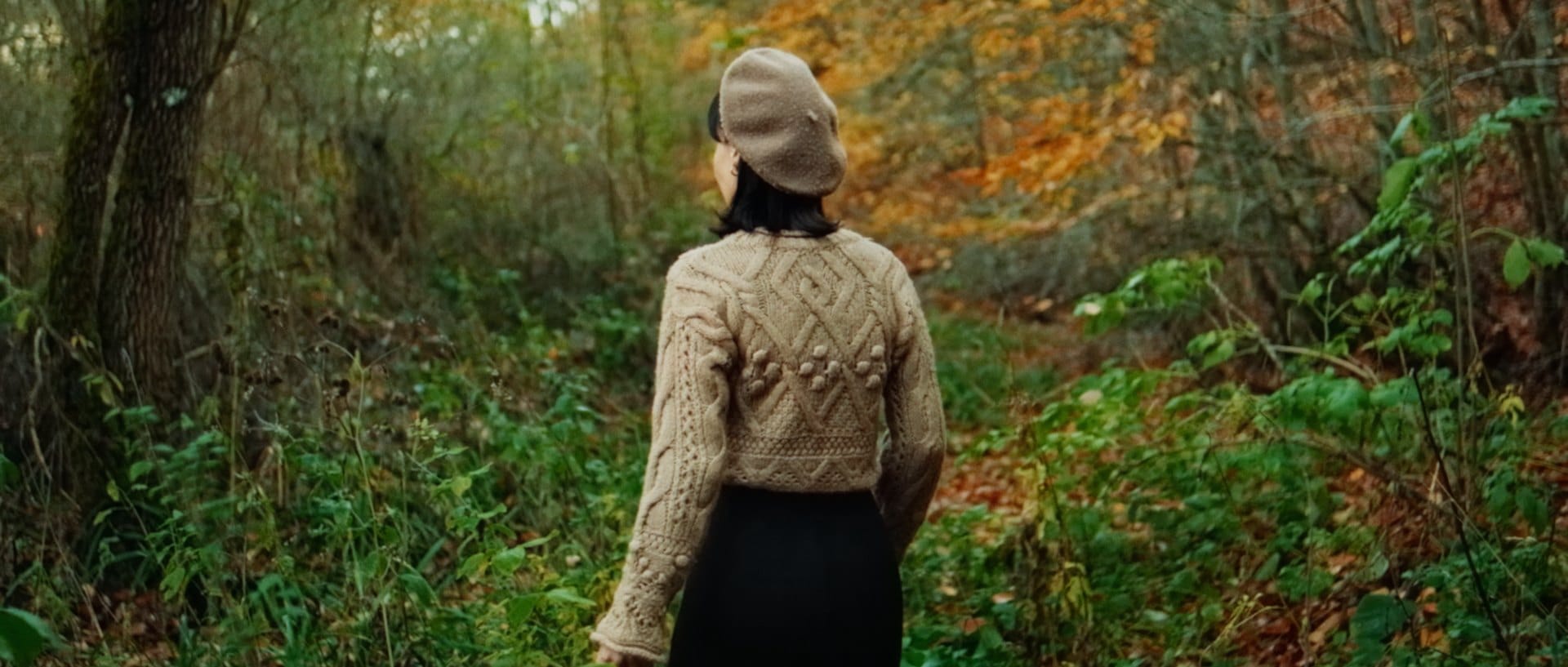
Real footage · graded through the full Nx 3‑Strip 3.0 pipeline · 21 more comparisons on the product page
Explore the full product page →
Native in every host
 DaVinci ResolveOpenFX · Metal · CUDA · OpenCL
 Premiere ProMetal · CUDA GPU · CPU
 After EffectsSmartRender · 8/16/32-bpc
 Final Cut Pro · MotionFxPlug 4 · Metal · macOS 13+
One shared processing core — the grade you dial in Resolve is pixel-for-pixel identical in Premiere, AE and FCP.
Key features
Nine looks measured from reference films — Nx Reference, Three-Strip Standard, six film-specific looks and Camera Negative. A preset changes the look and nothing else.
Un-mixes the broad overlapping channels of a digital sensor into the razor-sharp #25 / #58 / #47 primaries of a real three-strip camera.
Three spectrally-derived CMY coefficients calibrated against spectrally measured Process IV dyes. Saturated colors darken rather than bloom — true subtractive density.
Dyes transfer Cyan → Magenta → Yellow into gelatin that resists each successive layer. Cool shadows and warm highlights, grown in chemistry.
Per-channel halation from the actual bipack optical path, applied in the exposure domain before the film curve. Warmth from physics, not a tint.
Edge snap and midtone depth before dye processing; fine surface texture diffused while edges stay intact — the dimensional look of real IB prints.
Negative grain before the film response, imbibition print grain after — neutral dye texture that rides the weaving frame, never chromatic noise.
Per-record misregistration, temporal drift, printer jitter, film shrinkage, Geneva-drive gate weave and color breathing.
HDR PQ (Rec.2020) output with an HDR Peak control from 300 to 1000 nits in Resolve and Adobe hosts. Shadows and mid-tones match the SDR render exactly; only the highlight headroom opens up.
Rec.709/P3/Rec.2020, ARRI LogC3/4, S-Log3, RED, Canon, V-Log, F-Log2, D-Log, Apple Log, ACEScct, Cineon, DaVinci Intermediate, linear EXR and more.
Separations, dye layers, response curves, halation and grain maps — every panel driven by the same math as the render.
Scrubbing, render farms and re-renders produce bit-identical frames, every time.
The full plugin is a free download, fully functional with a DEMO watermark. Activate in one click from inside the plugin — one key covers every host on your machine, macOS & Windows.
System requirements
11 Big Sur or later (Final Cut Pro requires macOS 13). Apple Silicon + Intel — notarized universal binaries.
Windows 10/11 x64. CUDA GPU acceleration on NVIDIA in Resolve / Premiere; OpenCL and CPU paths for everything else. Signed installer.
Hosts: DaVinci Resolve 18+ · Premiere Pro / After Effects (current releases) · Final Cut Pro 10.6+ / Motion 5.6+
A personal license key, delivered instantly by email when your order completes.
The macOS and Windows installers are a free public download — activate with your key to remove the watermark.
Illustrated User Manual and release notes — read online anytime.
One-Time Payment. Perpetual License. Free Updates.
Nx 3-Strip is provided under a perpetual single-user license for personal or commercial projects. Installation is allowed on multiple computers owned or used by the licensed individual, provided the software is used only by that person. License keys may not be resold, redistributed, shared or sublicensed. Unauthorized distribution is strictly prohibited. Due to the digital nature of the product, all sales are final and no refunds will be accepted.